“How much does a PVC mixer cost?” is usually the first question in a purchase, and no single number can answer it. Two heater–cooler (hot/cold) mixers sold under the same description can differ widely in capacity, drive, materials, automation and scope of supply, so marketplace listings often compare quite different machines. This article explains which items drive the cost of a PVC turbo mixer and what information to prepare so that the quotes you receive can be compared fairly. We deliberately give no prices or price ranges: a meaningful figure can only come from your formula and your line.
1. Batch size and vessel volumes
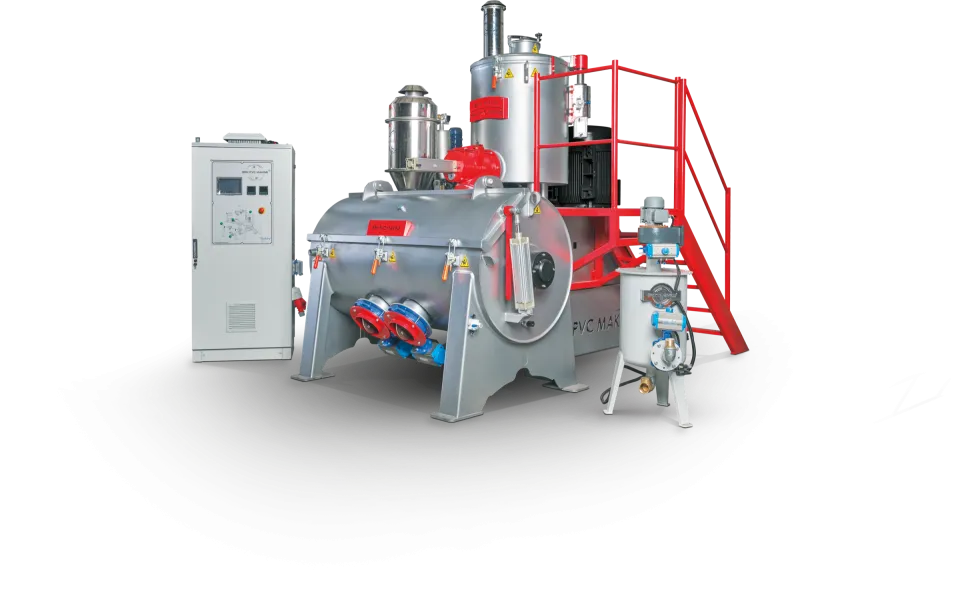
The main cost driver is how many kilograms of dry blend the mixer prepares per batch. As batch size grows, so do the heater and cooler vessels, the body, shaft, bearings and frame. In the catalogue, the EPM-V series covers 100–200 kg per batch and the EPM-H series 150–500 kg per batch, with EPM-H heater volumes of 450–1250 L and cooler volumes of 1000–3500 L. These differences feed straight into material, labour and freight volume.
Oversizing raises the investment for no return and low fill levels can hurt blend quality; undersizing leaves the line waiting. Settle capacity before discussing price. To get from extruder output to an approximate batch size, try the mixer capacity calculator and our guide to sizing a PVC mixer.
2. Motor power and drive type
In a high-speed heater mixer the heat comes from friction, so installed motor power is high relative to vessel volume and is one of the largest cost items in the system. On the EPM-H series heater motors range from 75 to 200 kW, and higher-rated optional motors are available on some models. A bigger motor affects more than the motor itself: coupling, control cabinet, cable sizing and the plant’s electrical supply all scale with it.
The drive type matters as well:
- Frequency variator (FV): lets impeller speed be set per recipe. It adds flexibility for plants that run different formulas, at the cost of a drive and a larger cabinet.
- Soft starter (SS): a simpler solution that limits inrush current for fixed-speed operation. On lines that run one recipe for long periods it is often all that is needed.
Not every model offers both; the EPM-V150 and EPM-V200, for example, come with SS only.
3. Horizontal or vertical cooler
The cooler design affects both machine cost and installation cost. A horizontal cooler offers a large cooling surface but needs more floor space. A vertical cooler fits a more compact footprint but may call for extra height and a platform. When comparing total cost, look beyond the machine to steelwork, platforms and any building modifications. We cover the differences in detail in our EPM-H vs EPM-V comparison.
4. Materials and build details
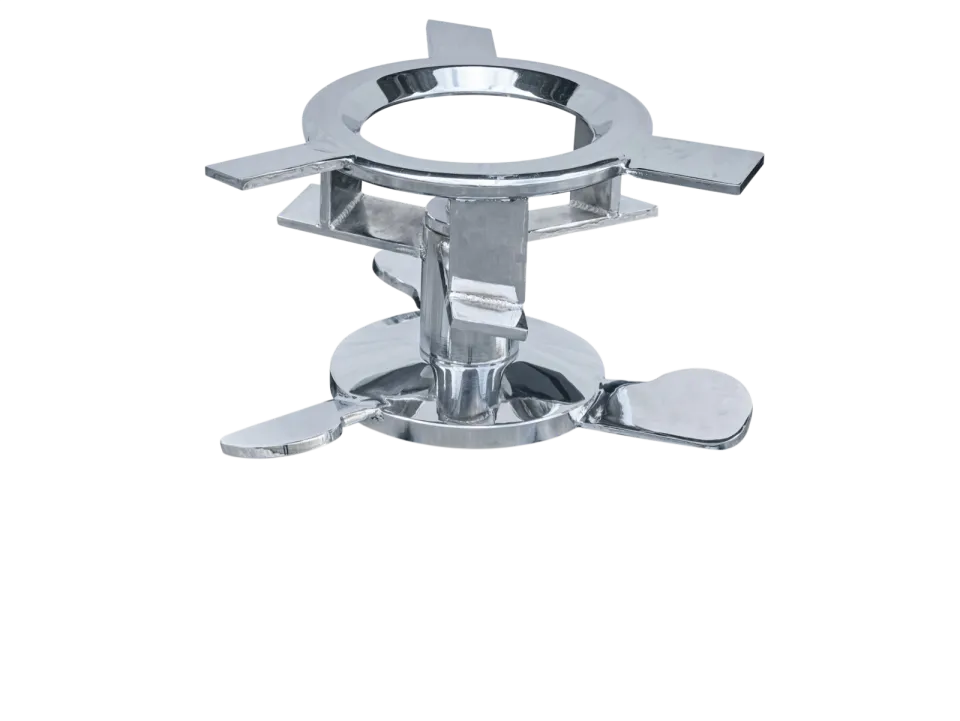
The material of product-contact surfaces, internal finish, blade material and wear protection all influence price; highly filled formulas wear blades and vessels faster, so wear resistance matters more there. Discharge valve design, lid and seals, temperature measuring points and the cooling jacket layout are further cost items. None of this is obvious at first glance, yet it shapes service life and maintenance intervals.
5. Automation and controls
A mixer run from a simple control panel and a PLC-based system that manages recipes, logs temperature and motor current, and talks to dosing and feeding equipment are very different in scope. Automation adds cost through control hardware, the operator panel, software and commissioning time; what you need depends on your number of recipes, traceability expectations and integration with the rest of the line.
6. Dosing, feeding and auxiliary scope
Quotes differ most in where the scope starts and stops. Is it just the mixer, or a complete line from raw material to extruder? Items that may fall within scope include:
- automatic gravimetric powder dosing and, where needed, liquid dosing;
- extruder feeding systems that carry the cooled dry blend to the extruders;
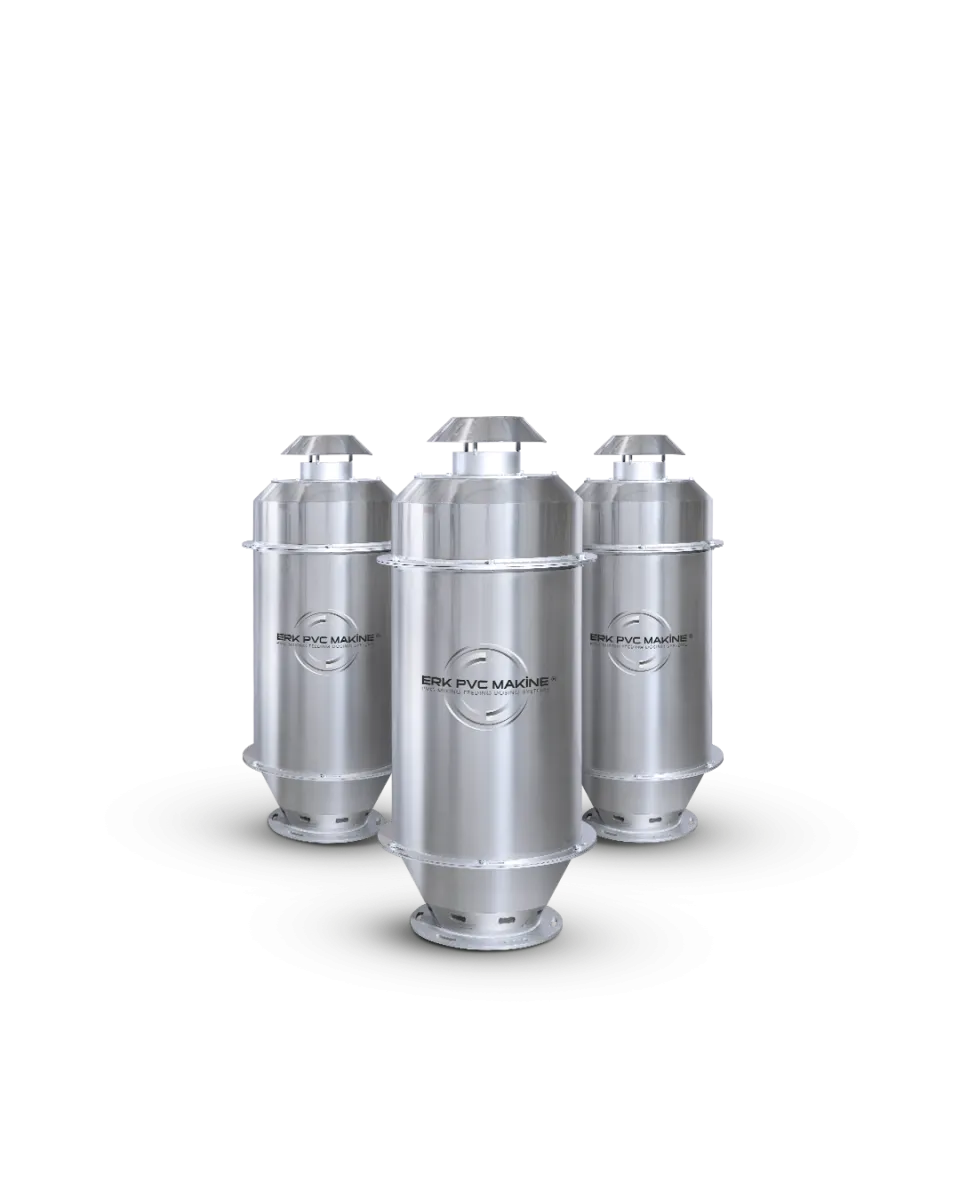
- a jet filter for dust capture, plus sieves, dehumidifiers and other auxiliaries;
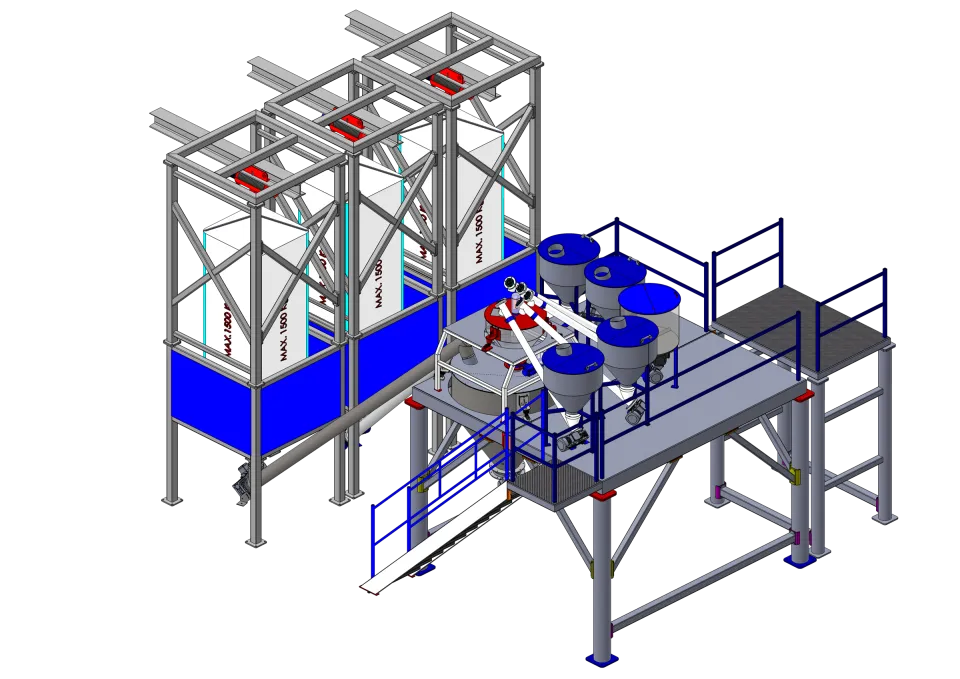
- silos, intermediate hoppers, platforms and steel structures.
Each of these is a separate engineering and manufacturing job. Our article on the turnkey PVC mixing line shows how the pieces fit together.
7. Installation, commissioning and training
Erection, electrical and cooling-water connections, first start-up, trial batches and operator training should all be spelled out in the quote, including who provides them and on what terms. Whether floor, power and water are ready on site also decides how long installation takes.
8. Freight, packing and delivery terms
For large machines, freight and packing are a visible line item, and domestic delivery differs from export in packing, transport, customs and insurance. Clearly stated delivery terms make quotes easier to compare.
How to compare quotes
Looking only at the bottom line can be misleading. Answer these questions for each quote:
- For which formula and bulk density is the batch capacity stated?
- What are the heater and cooler motor ratings, and what drive type is used?
- What does the control system and automation scope include?
- Are dosing, feeding, filtration and platforms included?
- Are installation, commissioning and training included, and what are the delivery terms?
- How will spare parts and technical support be provided?
What to prepare for an accurate quote
Gathering the following in advance lets a manufacturer give a realistic, comparable quote much faster:
- Product and formula: rigid or flexible; profile, pipe, cable or another application; approximate recipe and filler level.
- Capacity: number of extruders to be fed, their hourly output and any growth plans.
- Recipe variety: one formula, or frequent changes?
- Raw material intake: silo, big bag or sacks; number of powder and liquid components.
- Layout: available floor dimensions, ceiling height and distance to the extruders.
- Utilities: available electrical power and cooling water.
- Scope and delivery: mixer only or a full line, and where it is to be delivered.
Share these details on the quote page and our engineers will review your requirements and prepare a quote with a clearly defined scope.
Frequently asked questions
Is buying only a heater mixer cheaper?
The initial outlay is lower, but hot dry blend tends to lump in storage and cause feeding problems. In most PVC applications the cooler is an essential part of the process.
Do I need a final recipe to request a quote?
No. Product type, approximate filler level and required capacity are enough to start; the details are refined during the quotation process.