Applications
Metallic powder coating (bonding)
Bonding fixes metallic pigment onto powder coating particles at a carefully controlled temperature. We cover what temperature control, sieving and packing need for a consistent metallic effect and colour.
Metallic and pearlescent powder coatings finish everything from architectural aluminium to furniture and household appliances. With these products, simply blending the metallic pigment into the powder is not enough. In a plain dry blend, pigment and coating particles can behave differently during electrostatic spraying and separate. The result is a visible difference in effect and shade between parts coated from the same batch, and reclaimed overspray gradually drifts to a different pigment ratio.
What bonding is, and why temperature rules it
During bonding, the mix is heated in a controlled way to a point where the surface of the powder particles just begins to soften without the particles fusing together. Within that narrow window, the metallic pigment adheres to the particle surfaces and stays put during application. Too little heat gives weak adhesion; too much and the powder agglomerates, which can ruin the batch. Bonding is therefore less a mixing job than a process step in which temperature and time are tightly managed. Controlled cooling afterwards is just as important to lock the bond in place.
Erk’s solution
The metallic bonding mixer is designed specifically for producing metallic powder coatings by bonding. Unlike a high-speed PVC turbo mixer, a bonding mixer is configured to hold temperature within a narrow window and to mix without breaking the pigment flakes; other special designs are listed under special mixers. Although this application belongs to a different industry from PVC, experience with controlling frictional heat and discharge temperature in PVC mixers carries straight across.
After bonding, a powder sieve is advisable to keep any agglomerates out of the finished product. The jet filters and auxiliary equipment range includes powder sieves, jet filters and vacuum systems. Keeping metallic pigment dust from building up in the workplace is also a general safety matter, so dust collection should be planned as an integral part of the line. For packing, bag filling machines suitable for chemical products are worth considering.
Questions before the project
- Which powder systems (polyester, epoxy, hybrid) will be bonded?
- Have the target bonding temperature and time been defined for each one?
- How much will each batch hold, and how many batches will you run per day?
- How will sieving and dust collection be arranged after bonding?
- In which packaging, and at what weights, is the product shipped?
Products for this application
-
Metallic Bonding Mixer
The metallic bonding mixer is designed for producing metallic powder coatings by the bonding process. It attaches flake pigment such as…
View -
 JET
Jet Filters and Auxiliary Equipment
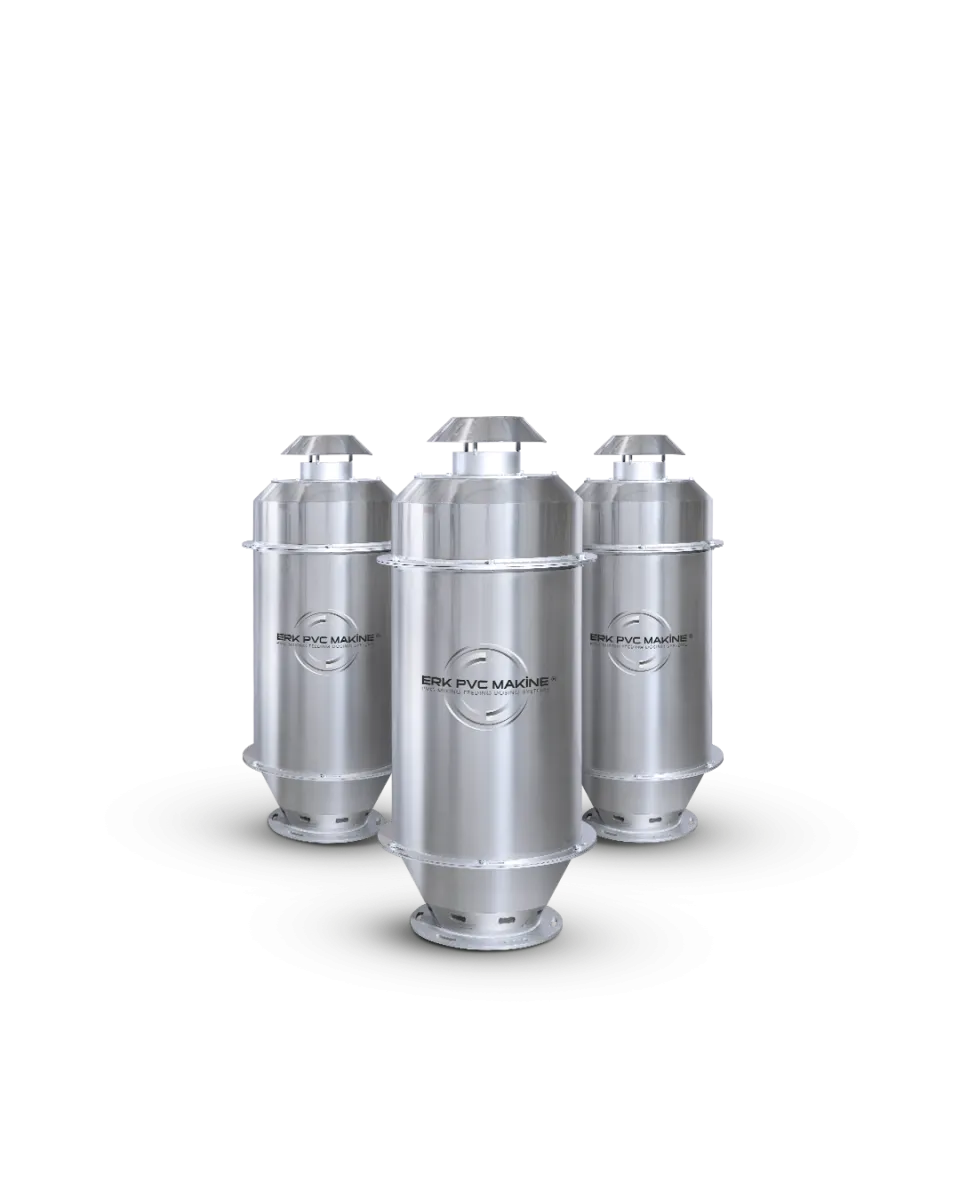
Jet filters, air filters, vacuum systems, powder and granule sieves, air sets, blowers and dehumidifiers: the auxiliary equipment that…
View -
Bag Filling Machines
Bag filling machines fill powder, small-particle and mixed products precisely into 5–50 kg bags. Linear models come with one, two or three…
View
Quote request
Request a quote for a mixer or mixing system
Share your target capacity and application; our engineers will reply with a quote for the right model and system configuration.
- 01Fill in the form or call us
- 02We clarify your application and capacity
- 03We send a quote with a model and system proposal